Shankar Vedantam
Podcasts

Stories
-

Laughter: The Best Medicine
If you listen closely to giggles, guffaws, and polite chuckles, you can discern a huge amount of information about people and their relationships with each other. This week, we talk with neuroscientist Sophie Scott about the many shades of laughter, from cackles of delight among close friends to the "canned" mirth of TV laugh tracks.
-

The Halo Effect: Why It's So Difficult To Understand The Past
Judy, Lyn and Donna Ulrich were driving to a volleyball game when their Ford Pinto was hit from behind by a Chevy van. The Pinto caught fire, and the three teenagers were burned to death. This week on Hidden Brain, we talk to a former Ford insider who could have voted to recall the Pinto years before the Ulrich girls were killed — but didn't. And we ask, is it possible to fairly evaluate our past actions when we know how things turned out?
-
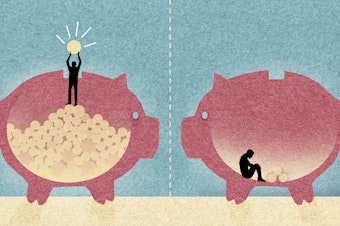
Why Nobody Feels Rich: The Psychology Of Inequality
If you've ever flown in economy class on a plane, you probably had to walk through the first class cabin to get to your seat. Maybe you noticed the extra leg room. The freshly-poured champagne. Maybe you were annoyed, or envious. Social psychologist Keith Payne says we tend to compare ourselves with those who have more than us, but rarely with those who have less. This week, we revisit our 2019 episode on the psychology of income inequality, and how perceptions of our own wealth shape our lives.
-
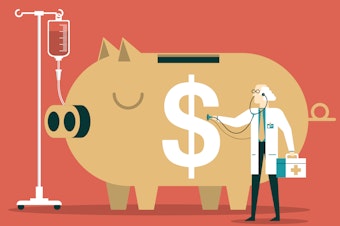
Slaying The 'Fee-for-Service Monster' Of American Healthcare
The United States spends trillions of dollars on healthcare every year, but our outcomes are worse than those of other countries that spend less money. Why? Physician and healthcare executive Vivian Lee explains the psychological and economic incentives embedded in the American model of medicine, and makes the case for a different way forward.
-
You 2.0: Empathy Gym
Some people are good at putting themselves in another person's shoes. Others may struggle to relate. But psychologist Jamil Zaki argues that empathy isn't a fixed trait. This week, in our final installment of You 2.0, we revisit a favorite episode about how to exercise our empathy muscles.
-
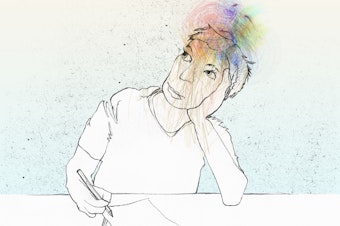
You 2.0: WOOP, WOOP!
American culture is all about positive affirmations. Dream big! Shoot for the stars! But do positive fantasies actually help us achieve our goals? This week, as part of our You 2.0 summer series, we revisit a conversation with researcher Gabriele Oettingen about how we can make our goals more attainable.
-

You 2.0: Loss And Renewal
Maya Shankar was well on her way to a career as a violinist when an injury closed that door. This week, as part of our annual You 2.0 series on personal growth and reinvention, we revisit our 2015 conversation with Maya, in which she shares how she found a new path forward after losing an identity she loved.
-

You 2.0: The Mind's Eye
Some challenges feel insurmountable. But psychologist Emily Balcetis says the solutions are often right in front of our eyes. This week, as part of our annual series on personal growth and reinvention, Emily explains how we can harness our sight to affect our behavior.
-
You 2.0: Our Pursuit of Happiness
Sometimes, life can feel like being stuck on a treadmill. No matter how hard you try to get happier, you end up back where you started. What's going on here? We kick off our annual You 2.0 summer series with happiness researcher Elizabeth Dunn, who explains how to fight the treadmill feeling.
-
Creativity And Diversity: How Exposure To Different People Affects Our Thinking
There is great comfort in the familiar. It's one reason humans often flock to other people who share the same interests, laugh at the same jokes, hold the same political views. But familiar ground may not be the best place to cultivate creativity. Researchers have found that people with deep connections to those from other countries and cultures often see benefits in terms of their creative output. This week, we revisit a favorite 2018 episode about the powerful connection between the ideas we dream up and the people who surround us, and what it really takes to think outside the box.