Eilís O'Neill
Reporter
About
Eilís is a reporter covering health. She focuses on health inequities, substance use and addiction, infectious diseases, mental health, and reproductive and maternal health.
Eilís came to KUOW in 2016. Before that, she worked as a freelance reporter, first in South America, and then in New York City. Her work has aired on NPR’s Morning Edition and All Things Considered, APM’s Marketplace, Reveal from the Center for Investigative Reporting, and other programs.
Eilís' work as part of a team covering Covid-19 outbreaks and vaccine hesitation in Washington won a regional Murrow award, as did a series about children who lost parents to Covid-19. Her series about the opioid crisis on the Olympic Peninsula won several regional Society for Professional Journalists awards as well as a national Public Media Journalists Association award.
Eilís grew up in Seattle and was a high school intern at KUOW, in the program that later became RadioActive. She has a Master's in Science, Health, and Environment Reporting from Columbia University. She lives in Seattle with her husband and two children.
Location: Seattle
Languages: English, Spanish
Pronouns: she/her
Stories
-
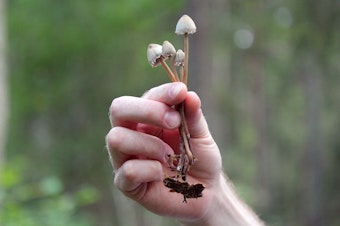
Washington state lawmakers again consider legalizing 'shrooms'
For the second time, the Washington State Legislature is considering legalizing psilocybin, the psychedelic drug found in magic mushrooms.
-

Post Roe, men are booking vasectomies
The Dobbs ruling overturning federal abortion protections had ripple effects across the country. One we’re feeling here: More men getting vasectomies. KUOW public health reporter Eilis O’Neal explains how the shift is opening a new conversation about responsibility when it comes to contraceptives and unintended pregnancy.
-

Post-Roe, vasectomies tick up in the Seattle area
Even in Western Washington, where abortions are still legal and available, vasectomies are up 34% post-Dobbs. The wait time for a vasectomy appointment in the Seattle area is now five or six months, and clinics that offer vasectomies are hiring more providers.
-

Washington state's new solution for foster parents and child care
Every year, Washington state struggles to find placements for hundreds of the about 8,000 children in foster care. One problem is that a lot of licensed foster parents in Washington state can’t take in kids under 5 at all.
-
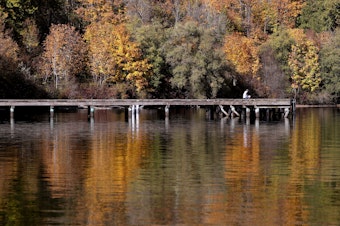
Some fish in King County aren't safe to eat. How do you warn the right people?
Yellow perch, cutthroat trout, a couple of species of bass — in Lakes Washington, Sammamish, and Meridian these fish are not safe to eat.
-

Changes to Washington employment laws and wages in 2023
From changes to minimum wages, rideshare drivers, and employment transparency, new rules for Washington's employers went into effect at the start of 2023.
-
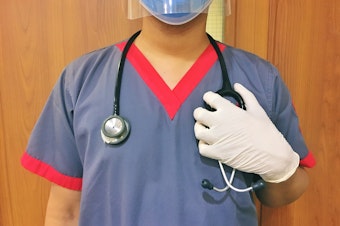
Washington needs 6k new nurses. This new program could help — a little
There are lots of jobs out there for registered nurses — in Washington state, about 6,000 of them. That nursing shortage can mean hospitals have to hire travel nurses at expensive rates, or sometimes they’re not able to staff all of their beds, which can lead to long wait times for patients.
-
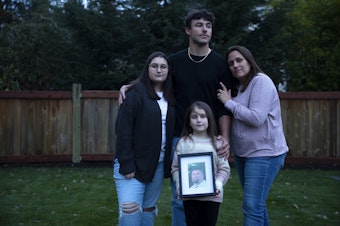
Many children have lost parents to Covid. Here's how they're coping
In many ways, the needs of families who’ve lost a caregiver to Covid are similar to the needs of any family that’s lost a parent: grief support, mental health counseling, a way to replace lost income, help with logistics, and childcare, for instance. But the scale of Covid deaths creates a unique set of challenges.
-

3 fish from 3 King County lakes that you should not eat
If you’re fishing in Lake Washington and you catch a cutthroat trout — don’t eat it. The largemouth bass in Lake Sammamish and the smallmouth bass in Lake Meridian are also not healthy choices.
-
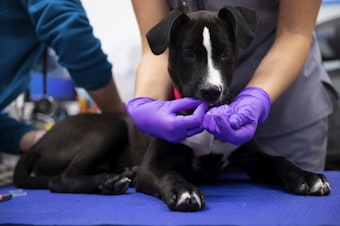
When homeless people seek treatment or shelter, where do their pets go?
When people experiencing homelessness need to go into residential treatment for drug or alcohol addiction, finding a place for their pet to stay can be a big barrier.