Gustavo Sagrero Álvarez
Race, Identity, and Immigration Reporter
About
Gustavo covers race, identity, and immigration in the Pacific Northwest. His reporting is focused on tribal sovereignty, how a diversity of communities leverage their power to effect change in and beyond their neighborhoods, and the impacts of immigration policy at the state level.
He arrived to KUOW in 2023, and previously wrote about northern Nevada's tribal efforts during mid-term elections, addressing the legacy of state-funded boarding schools and the impacts of the Missing and Murdered Indigenous Peoples' epidemic. He's also written about healthcare access for undocumented Idaho farmworkers during the pandemic and Juneteenth celebrations in Idaho.
Gustavo was born and raised in the sagebrush of Boise, Idaho. He spent many years trying to get into a career in journalism, juggling work, school, and community radio before settling into the restaurant industry for eight years. He was able to work in award-winning kitchens before the pandemic threw him back into journalism. In his off time he takes documentary photography, participates in the Purépecha community, and dreams of pit barbecuing and carnitas.
Location: Seattle
Languages: English, Spanish
Pronouns: he/him
Professional Affiliations: Founding Board Member, Voces
Stories
-

Despite threats of removal, asylum-seekers in Kent remain at camp next to empty hotel
For now, asylum-seekers camping out in front of a vacant county-owned hotel in the city of Kent are not going to be relocated.
-

Mexican citizens in Washington state struggle to have their vote counted in historic election
Long lines of Mexican citizens attempting to cast ballots in Mexico's presidential election Sunday at the Mexican Consulate in Seattle's Capitol Hill suggest the foreign voting process is far from perfect.
-

Why are your insurance premiums skyrocketing? Starting June 1 insurers in Washington state have to tell you
Starting June 1, insurance companies are required by Washington state law to answer the question, “Why are my insurance premiums going up?”
-
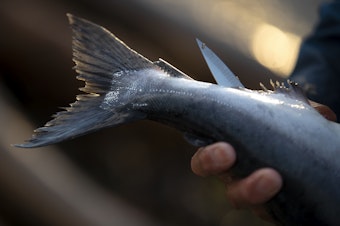
Washington tribes get $39.4 million for salmon habitat restoration, culvert removal efforts
The money, provided by the National Oceanic and Atmospheric Administration, will help replace old culverts, pipes or tunnels that carry a stream or creek underneath roadways, which obstruct fish from traveling between their spawning waters and the sea.
-

Muslim students in Seattle face choice between graduation and Eid al-Adha celebrations
For months, high school seniors attending Seattle Public Schools have been asking their teachers, principals, and school board leaders to change graduation dates in June. That’s because Eid Al-Adha, one of the biggest worldwide Islamic holidays, will coincide with the district’s graduation week.
-

Samish Indian Nation debuts first village in 125 years to 'bring the elders back home'
The Samish Indian Nation on Friday debuted a new affordable housing project spanning 2 acres of tribal land in Anacortes.
-

A burglar stole a $250k cello. But its value could actually make this 'art heist' a bust
Whoever stole the prized 1890 Enrico Marchetti cello probably knew it was worth a lot of money. But its value could become the thief's biggest obstacle.
-

Washington state farmworkers sue U.S. Department of Labor over depressed wages
A group of Washington state farmworkers is suing the U.S. Department of Labor, saying the agency allows employers to exclude them from work by hiring cheaper, foreign labor.
-
Washington state sues Seattle Archdiocese over child sex abuse investigation records
Washington state is suing the Archdiocese of Seattle in an effort to compel the institution to turn over documents related to sexual abuse allegations against its clergy, Attorney General Bob Ferguson announced Thursday morning.
-
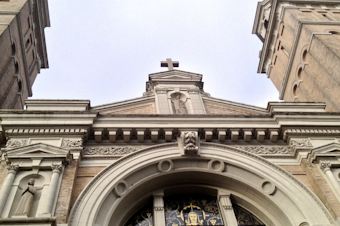
Shoreline Catholic school parents back gay teacher allegedly ousted over her engagement
A kindergarten teacher at St. Luke School in Shoreline says she was ousted because of her same-sex engagement. Parents and advocates have called the decision a case of anti-LGBT discrimination, and are calling for her reinstatement.