Gustavo Sagrero Álvarez
Race, Identity, and Immigration Reporter
About
Gustavo covers race, identity, and immigration in the Pacific Northwest. His reporting is focused on tribal sovereignty, how a diversity of communities leverage their power to effect change in and beyond their neighborhoods, and the impacts of immigration policy at the state level.
He arrived to KUOW in 2023, and previously wrote about northern Nevada's tribal efforts during mid-term elections, addressing the legacy of state-funded boarding schools and the impacts of the Missing and Murdered Indigenous Peoples' epidemic. He's also written about healthcare access for undocumented Idaho farmworkers during the pandemic and Juneteenth celebrations in Idaho.
Gustavo was born and raised in the sagebrush of Boise, Idaho. He spent many years trying to get into a career in journalism, juggling work, school, and community radio before settling into the restaurant industry for eight years. He was able to work in award-winning kitchens before the pandemic threw him back into journalism. In his off time he takes documentary photography, participates in the Purépecha community, and dreams of pit barbecuing and carnitas.
Location: Seattle
Languages: English, Spanish
Pronouns: he/him
Professional Affiliations: Founding Board Member, Voces
Stories
-

Friday Headlines
Political fallout in Burien, gas stoves under scrutiny, and Seattle celebrates Juneteenth.
-
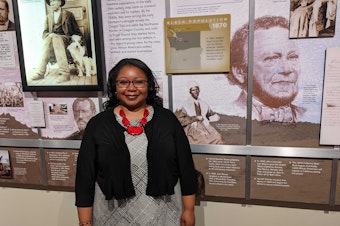
Seattle museum celebrates Black history, honors Juneteenth
Over the weekend, the Northwest African American Museum in Seattle will host a series of Juneteenth celebrations, highlighting a variety of events, talks, and activism in the city celebrating the nation's newest federal holiday.
-
Northwest African American Museum hosts Juneteenth celebrations
KUOW’s Gustavo Sagrero gives us a snapshot of the events planned.
-

Thursday Headlines
Seattle's graffiti law is on hold, UW researchers strike a labor deal, and a new area code is coming to the 206.
-

'Hold That Pose' offers queer and trans youth a place to dance, build community, and find resources
-

Getting fish passage over Skagit dams will take decades
After years of drama with Tribes who say the dams are getting in the way of the salmon. If successful, it’ll be introducing fish into a region it hasn’t been in for 50 or even more years.
-
Sen. Cantwell highlights availability of mental health resources
She spoke late last week in Seattle, at a healthcare program called Sound.
-
Catch model-walking, voguing, and other competitions at this cowboy-themed Seattle ball
This isn’t your typical 1950s-style ballroom. This type of ballroom is a mashup of model-walking, voguing, and other performance arts.
-
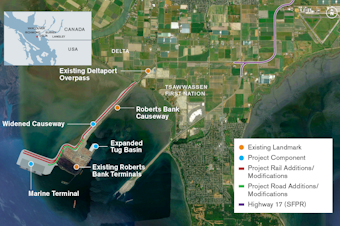
Lummi Nation moves to block BC port expansion they say would impact salmon
The port authority said the expansion would increase Canada’s west coast container capacity by about a third of what it’s already at, and has Indigenous buy-in. But the Lummi Nation in Washington said they've been ignored, and that is a violation of their rights.
-
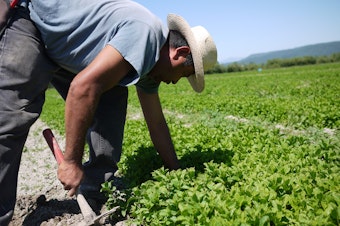
WA mushroom farm ordered to pay $3.4 million for discriminating against female workers
A little more than a year ago, a Sunnyside mushroom farm put a job posting on Facebook, looking for only male workers. The post was made by a lead employee of the then Ostrom Mushroom farm. Now, the farm will have to pay out 3.4 million dollars to settle allegations of discrimination against workers it fired.