Gustavo Sagrero Álvarez
Race, Identity, and Immigration Reporter
About
Gustavo covers race, identity, and immigration in the Pacific Northwest. His reporting is focused on tribal sovereignty, how a diversity of communities leverage their power to effect change in and beyond their neighborhoods, and the impacts of immigration policy at the state level.
He arrived to KUOW in 2023, and previously wrote about northern Nevada's tribal efforts during mid-term elections, addressing the legacy of state-funded boarding schools and the impacts of the Missing and Murdered Indigenous Peoples' epidemic. He's also written about healthcare access for undocumented Idaho farmworkers during the pandemic and Juneteenth celebrations in Idaho.
Gustavo was born and raised in the sagebrush of Boise, Idaho. He spent many years trying to get into a career in journalism, juggling work, school, and community radio before settling into the restaurant industry for eight years. He was able to work in award-winning kitchens before the pandemic threw him back into journalism. In his off time he takes documentary photography, participates in the Purépecha community, and dreams of pit barbecuing and carnitas.
Location: Seattle
Languages: English, Spanish
Pronouns: he/him
Professional Affiliations: Founding Board Member, Voces
Stories
-

Deportation flights have resumed out of King County Airport / Boeing Field
KUOW’s Gustavo Sagrero reports the county is also publishing data on those flights.
-
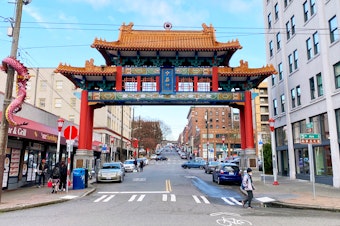
Seattle’s Chinatown-International District designated 'endangered historic place.' Will that help the neighborhood?
It joins a list of other spaces, including a Chinatown in Philadelphia. The list is managed by the National Trust for Historic Preservation.
-

Can fish and dams coexist on the Skagit River? New plan may be first step
Seattle City Light has released a new plan for managing three hydroelectric dams on the Skagit River. The dams provide 20% of Seattle’s electric power, and have been the subject of a series of lawsuits by tribes arguing that the dams stop salmon from flourishing.
-

Seattle joins effort to give young readers access to banned books
The Seattle Public Library has joined a national effort to make books more accessible to youth readers, even in parts of the country where books have been banned.
-

Swim Seattle works to teach all children how to be safe in water
The city of Seattle is launching a swimming program with the goal of addressing the racial disparity in youth drowning deaths. Registration for the pilot program, called Swim Seattle, opens May 16.
-

Bringing ancestors home — the long process of recovering tribal remains
Museums around the nation are filled with items and ancestors from the Northwest Indigenous communities. KUOW’s Gustavo Sagrero reports on how some tribes navigate a long and emotional journey to bring them home.
-

What hides in the records from WA Catholic Native boarding schools? Tribes may soon find out
A spokesperson for Catholic bishops in Washington says the church has started the process to review their records of Native boarding schools. This comes after increasing calls for greater transparency from the Catholic Church.
-

Repatriation celebration: Stolen Native Hawaiian remains greeted at Sea-Tac on their way home
Over the weekend, a ceremony was held by a local Hawaiian hula group and others who welcomed a collection of Native Hawaiian remains on their way to being repatriated. They had been taken from Hawaii illegally by colonizers and were on their final leg home from Europe.
-

King County Sheriff urged to provide more interpreters for non-English speakers
An oversight committee is urging the King County Sheriff's Office to do better around how it communicates with people who don’t speak English.
-
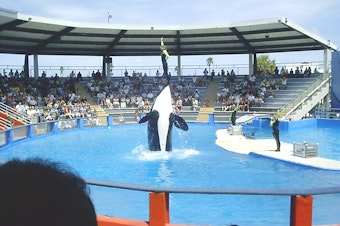
Orca taken in the 1970s to be released from captivity, returned to PNW
The Miami Seaquarium has announced that it will begin the work of releasing the last remaining captive Southern Resident Orca, and bringing her home to the Salish Sea.