Libby Denkmann
Host, Soundside
About
Libby Denkmann has covered veterans' issues, homelessness, and local politics during her radio journalism career. She became the host of KUOW's Soundside in November 2021. Previously she was a producer, reporter, anchor, and host for stations KIRO, KFI, and KPCC in Seattle and Los Angeles. During a yearlong hiatus from journalism in 2011, she worked as a congressional staffer in Washington, D.C.. Libby was born in Seattle, grew up on the eastside, and graduated from the University of Washington. Her favorite things include soccer, video games, and her dog, Monty.
Location: Seattle
Languages: English, limited Japanese and Portuguese
Pronouns: she/her
Podcasts


Stories
-

How will three La Niña seasons affect the PNW?
The state is facing a third year of La Niña-type weather. You likely remember some of the results of La Niña from last year - when the Pacific Northwest saw significant flooding due to all that wet weather. And it’s not just us. This weather pattern impacts the entirety of the Western US, as well as other countries located on the Pacific - like Australia, Indonesia, and East Africa.
-

Inside the Mariners' locker room: 'It's just so, so wet'
Lookout Landing's Kate Preusser joins Soundside to share her experience in the locker room after the Mariners beat the A's to secure their spot in the playoffs for the first time in 21 years.
-
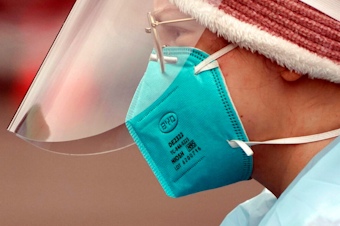
What the medical field is watching as the state of emergency ends in Washington
Washington state's Covid-19 emergency order comes to an end this month. It's a signal that the state will be moving towards a business-as-usual approach to governing and managing the pandemic. But, at the same time, the pandemic isn’t over and business as usual has its own complications.
-
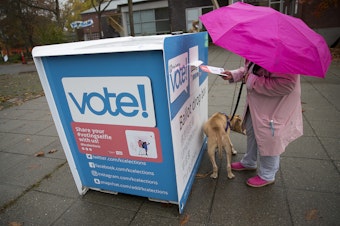
WA recently expanded voting access for formerly incarcerated people. But barriers remain
Washington state now gives everyone convicted of a felony the right to vote when they leave prison. But some challenges remain for people who were once incarcerated when it comes to casting their ballots.
-
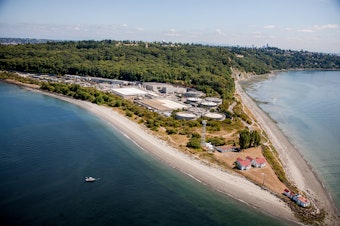
After years of sewage spills, King County settles tribal lawsuit, agrees to plant upgrades
In 2017, catastrophic failures at the West Point Treatment Plant in Discovery Park turned into one of the worst infrastructure disasters in the region’s history – sending 30 million gallons of untreated sewage into the Sound. The Department of Ecology fined King County and ordered improvements. But smaller spills have continued: In 2018 and 2019 the plant dumped more than six million gallons of untreated or improperly treated sewage into the Puget Sound. So, the Suquamish Tribe took a big step: In 2020, it announced its intent to sue the County.
-

Sound It Out: Librarians and the ArriveCan App
Soundside revisits the story we aired last week about crossing the border into Canada and the help that local librarians give when navigating the ArriveCan app.
-

Hear it again: How dramatic pandemic shifts affected Northwest birds
While we were cooped up in Covid lockdowns, birds in the cities and suburbs of the Pacific Northwest were spreading their wings! And in a new University of Washington paper, ornithologists suggest that birds like crows, hummingbirds, finches, and chickadees were using a wider variety of public spaces during the early days of the pandemic. Olivia Sanderfoot was the lead researcher on the study.
-
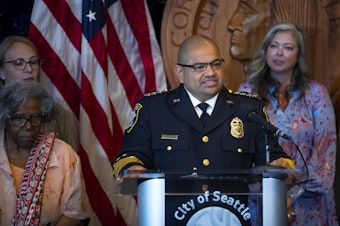
New Seattle Police chief promises greater collaboration, improved mental health services
Seattle, meet your new Chief of Police. Well, new-ish.
-
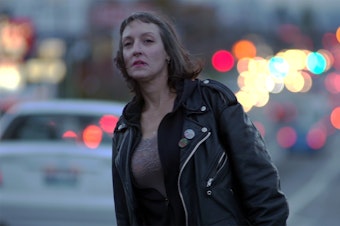
Hear it again: 'Sweetheart Deal' – Inside sex work and addiction on Seattle's Aurora Avenue
In the documentary "Sweetheart Deal," co-directors Elisa Levine and Gabriel Miller follow four sex workers along Seattle's Aurora Avenue. The film tells the stories of Tammy, Sara, Kristine, and Amy and their battles with drug addiction, dangerous circumstances, and a man called Laughn Elliot Doescher, the self described “Mayor of Aurora.”
-

What effect is 'remote work' having on the local video game industry?
KUOW's Joshua McNichols joins Soundside to talk about the effect remote work is having on the Pacific Northwest video game industry.