New UW study links cannabis users with psychotic disorders to higher rates of health problems
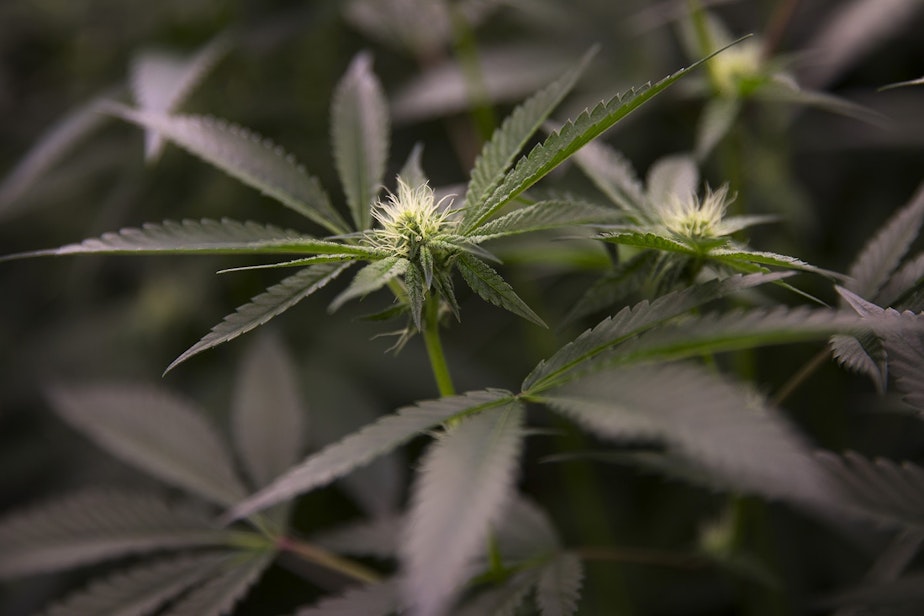

A new study of cannabis users in Washington state is shedding light on a wider range of health problems for some users than previously documented.
The University of Washington study found that cannabis users with psychotic disorders, like schizophrenia, report higher rates of physical ailments, such as nausea, dizziness, and heart problems — which they attribute to cannabis use.
"They experience cannabis hyperemesis syndrome, which is this syndrome that makes people vomit, [and] have a lot of pain and nausea," said Beatriz Carlini, one of the researchers behind the study.
Carlini and several other UW researchers analyzed the survey responses of 4,144 cannabis users in Washington between 2020 and 2023.
She said survey respondents also highlighted mental health symptoms.
"[Cannabis users with psychotic disorders] have more hallucinations, they have more problems with panic attacks and problems of mental health in general," Carlini said.
Sponsored
RELATED: Weed sick: High-potency cannabis leads to ER visits, illnesses for some users
Almost 18% of cannabis users with psychotic disorders reported experiencing hallucinations or psychotic episodes over the previous year. That number dropped to about 3% of cannabis users without any mental health diagnosis.
When it comes to physical symptoms, almost 21% of study participants reported experiencing nausea and vomiting connected to their cannabis use. About 5% of users with no mental health diagnoses experienced the same symptoms.
RELATED: New study: 1 in 5 Washington cannabis users show signs of addiction
Data for the study was collected directly from online survey responses filled out by study participants, instead of medical records or documentation from physicians.
Sponsored
Carlini says there are both benefits and drawbacks to this kind of data collection, but this method helped researchers connect with a wider, more general array of users.
"The upside of having data from survey is that you make it not about people that are going for help, looking for clinical help," Carlini said. "But you are talking about a population base. What is happening in the community, even if these people never saw a doctor?"
RELATED: What would the reclassification of cannabis mean for Washington state businesses, researchers?
To understand the full complexity behind cannabis's effect on users, Carlini believes more work will need to be done to diversify data.
"You need to ask people being treated, you need to ask doctors, you need to look at medical records," Carlini said.
Sponsored
But the information Carlini and her fellow researchers have compiled is a start — and enough to serve as a springboard for other research and projects. Carlini and other authors behind the study have created an online guide to help behavioral health clinicians talk about the potential effects of cannabis use with their patients.
The researchers also recommend placing warning labels on cannabis products geared towards users with mental health diagnoses like psychotic disorders.
-
Noel Gasca

General Assignment Reporter
Noel is a general assignment reporter for KUOW, covering everything from city hall to pickleball. Prior to joining the newsroom, Noel worked as a producer for KUOW’s midday show Soundside. Noel has also worked as an online editor and producer with KUOW’s web team, and she’s also a proud graduate of KUOW’s RadioActive program.
More stories from Noel Gasca »


